How to Recognize Dehydration in Dogs and Cats
- By Dr Sam DVM
The most reliable signs of dehydration in dogs and cats are dry or sticky gums, skin that is slow to snap back, sunken eyes, low energy, and less eating or urinating. If your pet shows two or more of these, especially after vomiting, diarrhea or time in the heat, call your vet the same day. Dehydration can get serious fast in small, young and older pets.
In this article
- What Is Dehydration and Why Does It Happen?
- Signs of Dehydration in Dogs and Cats
- When Dehydration Becomes an Emergency
- How Mascot Helps Dehydrated Pets in Cloverdale
- Conclusion: Prevention and Next Steps
What Is Dehydration and Why Does It Happen?
Dehydration means your pet is losing more fluid than they take in, which also upsets the balance of salts (electrolytes) in the body.
Common causes
- Vomiting or diarrhea
- Not drinking because of nausea, pain or illness
- Heat exposure, heavy panting or hard exercise
- Fever or infection
- Kidney disease, diabetes and other long-term conditions
- Viral illnesses such as parvovirus in dogs and panleukopenia in cats
Pets that dehydrate faster
| Group | Why the risk is higher |
|---|---|
| Puppies and kittens | Small body size, little fluid reserve |
| Senior dogs and cats | Kidney and other age-related conditions are more common |
| Small breeds | Lose fluid quickly relative to body weight |
| Flat-faced dogs (Pugs, Bulldogs) | Struggle to cool down in warm weather |
| Cats eating only dry food | Take in less water through their diet |
Signs of Dehydration in Dogs and Cats
You won’t always see obvious signs early. Dehydration usually becomes noticeable once a pet has lost around 5% of their body fluid.
What to look for
| Sign | What it looks like |
|---|---|
| Gums | Dry, tacky or pale instead of moist and pink |
| Skin elasticity | Skin lifts and returns slowly |
| Eyes | Dull or sunken |
| Energy | Tired, weak, less interested in play |
| Appetite | Eating less or refusing food |
| Urination | Fewer trips outside, or a smaller litter box clump |
| Nose and mouth | Dry nose, thick saliva, heavy panting (dogs) |
Dogs vs cats
- Dogs: Excess panting, thick drool, and low energy on walks are common dog dehydration symptoms.
- Cats: They hide illness well. Hiding, skipping meals, and a smaller litter box output are often the first signs of cat dehydration.
Quick home checks
- Gum check: Lift the lip. Gums should be moist and pink.
- Capillary refill: Press a finger on the gum until it turns white, then release. Colour should return in 1 to 2 seconds. Slower than that is a concern.
- Skin check: Gently lift the skin between the shoulder blades and let go. It should flatten right away. If it stays up or sinks back slowly, call your vet.
Keep in mind:
- The skin check is less reliable in older, very thin or overweight pets.
- Dark gum pigment makes the capillary refill check hard to read.
- A normal result at home doesn’t rule out dehydration. If your pet seems unwell, get them examined.
When Dehydration Becomes an Emergency
| Level | What you may see | What to do |
|---|---|---|
| Mild (about 5%) | Dry gums, lower energy, less appetite | Call your vet the same day |
| Moderate (about 6 to 8%) | Skin slow to return, sunken eyes, weakness, ongoing vomiting or diarrhea | Book a same-day exam |
| Severe (10% or more) | Skin stays tented, cold paws, fast heartbeat, collapse | Go to an emergency vet now |
Go straight in if your pet:
- Cannot keep water down
- Has had repeated vomiting or diarrhea for more than 24 hours (sooner for puppies, kittens and seniors)
- Is limp, wobbly or hard to wake
- Has collapsed after heat exposure
Mascot’s urgent care service handles sudden concerns like this during opening hours, 8:00 AM to 11:00 PM, seven days a week. Call ahead on +1 (604) 325-2200 so the team can prepare for your arrival. For overnight emergencies, they refer to 24-hour facilities.
Before you leave home
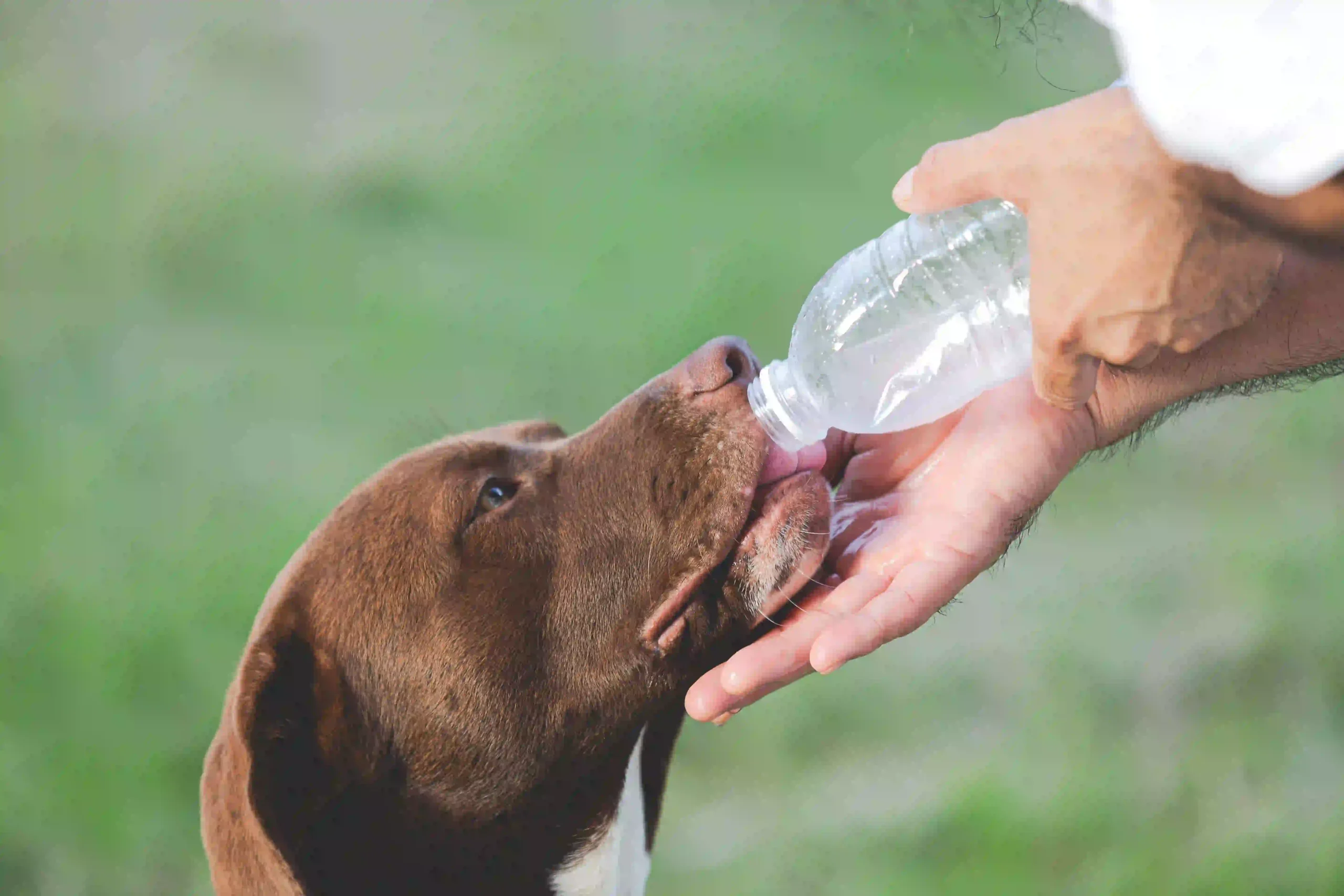
- Offer small sips of water, but don’t force fluids with a syringe.
- Skip human electrolyte drinks unless your vet says otherwise.
- Keep your pet cool and calm.
- Note when the vomiting, diarrhea or heat exposure started.
How Mascot Helps Dehydrated Pets in Cloverdale
Mascot Animal Hospital is a full-service animal hospital in South Surrey, based at 17767 64 Ave #109. The hospital serves pet owners across Surrey, including Cloverdale, Walnut Grove, Langley, White Rock and Fleetwood.
- Physical exam: hydration check, gums, heart rate and temperature
- History: what your pet has eaten, drunk and passed over the past few days
- Testing: in-house diagnostics, including blood work and imaging, to find the cause
- Treatment plan: explained to you before anything starts, with medication and dosing guidance from the in-clinic pharmacy before you leave
Rehydrating a pet is only half the job. The vet also needs to find out why they became dehydrated.
Conclusion: Prevention and Next Steps
Dehydration in dogs and cats is easier to treat early. Know the signs, run the quick checks, and call when something feels off.
Prevention basics
- Keep fresh water in more than one spot and wash bowls daily
- Try a water fountain or add wet food for cats
- Carry water on walks and limit hard exercise in hot weather
- Never leave a pet in a parked car
- Call early when vomiting or diarrhea starts, rather than waiting it out
- Ask about nutritional counseling if your pet drinks too little or too much
Regular wellness visits also help catch kidney and other conditions that make dehydration more likely.
Worried about your pet’s hydration? Book an appointment or call Mascot Animal Hospital at +1 (604) 325-2200. For sudden symptoms, call ahead and head in.
This article is for general reference only and is not a substitute for professional veterinary advice. If you think your pet may be dehydrated, please consult a veterinarian.