
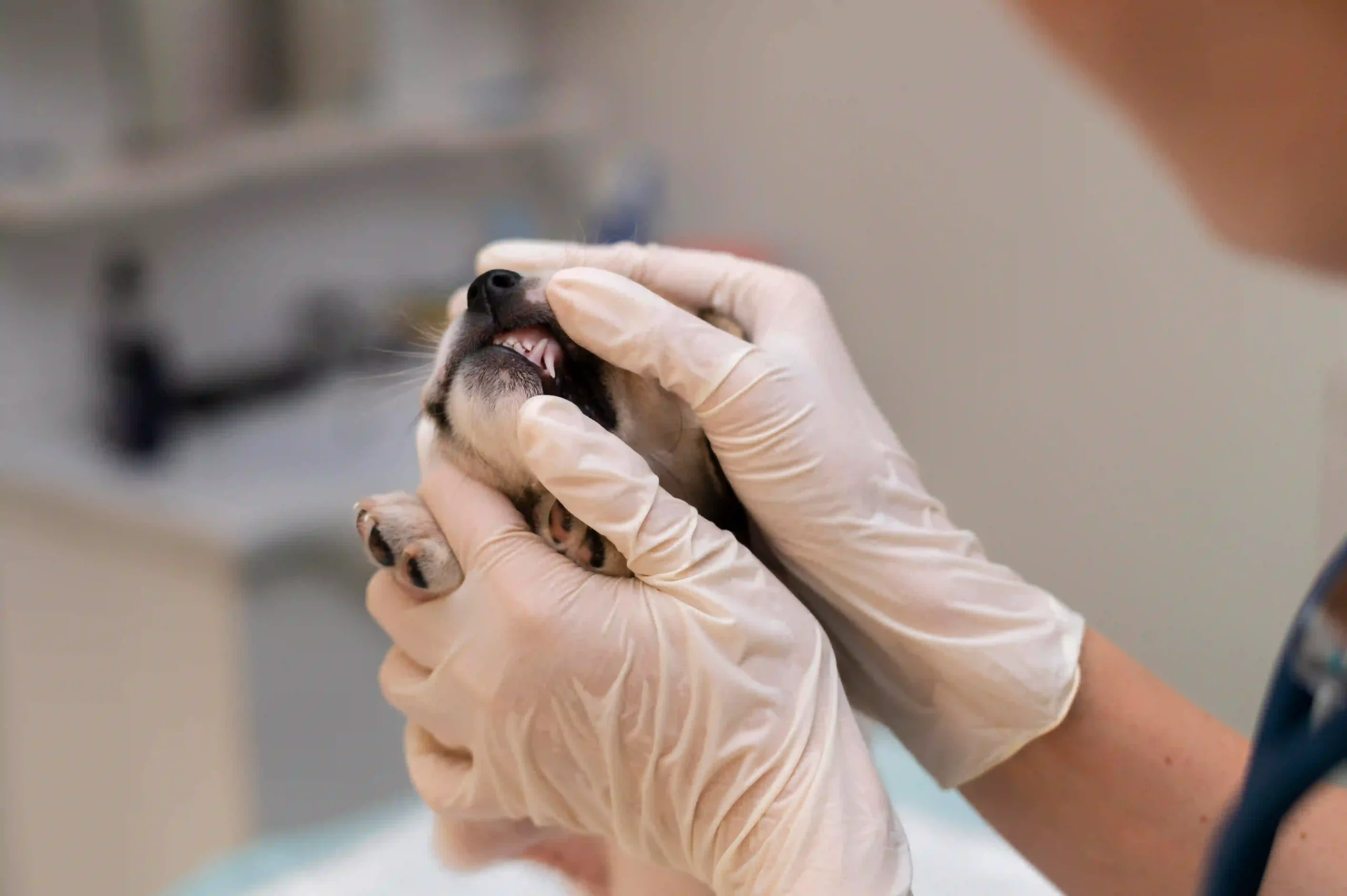
How to Know If Your Dog Has a Tooth Infection: Warning Signs Every Pet Owner Should Watch
- By admin
A dog tooth infection can cause bad breath, difficulty eating, swollen gums, excessive drooling, and facial swelling. Because dogs often hide pain and discomfort, many pet owners may not recognize the problem until the infection becomes severe.
At Mascot Animal Hospital, we believe that early detection is key to protecting your dog’s oral and overall health. Understanding the signs of a tooth infection can help you seek timely treatment and prevent complications such as tooth loss, chronic pain, and the spread of infection
Table of Contents
- Can Dogs Get Tooth Infections?
- What Does a Tooth Infection Look Like in Dogs?
- Behavioral Changes That May Signal Dental Pain
- Physical Signs of a Dog Tooth Infection
- What Causes Tooth Infections in Dogs?
- Are Tooth Infections Dangerous for Dogs?
- When Should You Visit a Veterinarian?
- How Mascot Animal Hospital Diagnoses Dog Tooth Infections
- How Can You Prevent Tooth Infections in Dogs?
- Frequently Asked Questions
- Protect Your Dog’s Smile with Expert Dental Care
Can Dogs Get Tooth Infections?
Yes, dogs can develop tooth infections when bacteria enter damaged teeth, infected gums, or areas affected by periodontal disease. These infections are common and can become serious if left untreated.
Without proper veterinary care, the infection may spread beyond the mouth and affect other parts of the body, including vital organs.
What Does a Tooth Infection Look Like in Dogs?
A tooth infection in dogs typically causes bad breath, chewing difficulties, swollen gums, excessive drooling, and changes in behavior. While some symptoms are visible inside the mouth, others appear through noticeable changes in your dog’s daily habits.
Your Dog May Have a Tooth Infection If They:
- Suddenly stop eating hard food
- Show discomfort while chewing
- Have noticeably bad breath
- Drool more than usual
- Avoid being touched around the face
- Develop swelling around the jaw or eyes
- Experience bleeding gums
Behavioral Changes That May Signal Dental Pain
Behavioral changes are often among the earliest signs of dental pain caused by a tooth infection. Since dogs instinctively hide discomfort, subtle changes in appetite and mood can indicate an underlying oral health problem
Reduced Interest in Food
A dog with a tooth infection may lose interest in food because chewing becomes painful. Some dogs may eat more slowly, avoid hard kibble, or stop eating altogether
Irritability or Mood Changes
Dental pain can make dogs more irritable, withdrawn, or sensitive than usual. A normally friendly dog may become less playful or avoid interaction when experiencing oral discomfort.
Chewing on One Side of the Mouth
Chewing on one side of the mouth often indicates pain or sensitivity on the affected side. Dogs naturally try to avoid placing pressure on infected or damaged teeth.
Physical Signs of a Dog Tooth Infection
Physical signs of a dog tooth infection include foul breath, inflamed gums, loose teeth, and facial swelling. These symptoms often become more noticeable as the infection progresses.
Severe Bad Breath
Persistent bad breath is one of the most common indicators of a dog tooth infection. A strong, unpleasant odor is usually caused by bacterial growth around infected teeth and gums.
Swollen or Inflamed Gums
Swollen, red, or bleeding gums can indicate a tooth infection or advanced periodontal disease. Healthy gums should be pink and firm rather than inflamed or sensitive.
Loose or Discolored Teeth
Loose, cracked, or discolored teeth may signal an underlying infection affecting the tooth structure. These conditions allow bacteria to penetrate deeper into the tooth and surrounding tissues.
Facial Swelling
Facial swelling may indicate a serious tooth root abscess that requires immediate veterinary attention. Swelling around the jaw, cheek, or beneath the eyes should never be ignored.
What Causes Tooth Infections in Dogs?
Tooth infections in dogs are most commonly caused by plaque buildup, gum disease, broken teeth, and poor oral hygiene. These issues create an environment where harmful bacteria can thrive and invade oral tissues.
Common Causes Include:
- Plaque and tartar accumulation
- Periodontal disease
- Tooth fractures
- Oral injuries
- Poor dental hygiene
- Aging-related dental issues
Routine dental care helps reduce these risks and supports long-term oral health.
Are Tooth Infections Dangerous for Dogs?
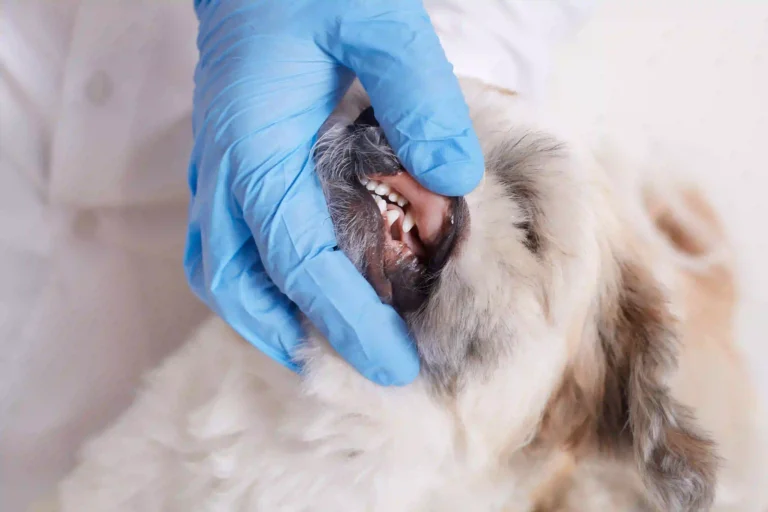
Yes, untreated tooth infections can lead to serious health complications in dogs. What begins as a dental problem can eventually affect the jawbone, bloodstream, and major organs.
When bacteria spread from an infected tooth, they may impact the heart, liver, and kidneys, making prompt treatment essential
When Should You Visit a Veterinarian?
You should schedule a veterinary visit as soon as you notice signs of a tooth infection in your dog. Early diagnosis and treatment can prevent pain, tooth loss, and more severe complications.
Seek veterinary care if your dog experiences:
- Persistent bad breath
- Difficulty eating
- Excessive drooling
- Bleeding gums
- Loose teeth
- Facial swelling
- Signs of oral pain
How Mascot Animal Hospital Diagnoses Dog Tooth Infections
Mascot Animal Hospital diagnoses dog tooth infections through detailed oral examinations, diagnostic imaging, and comprehensive dental assessments. Identifying the source of the infection allows our veterinary team to recommend the most effective treatment plan.
How Can You Prevent Tooth Infections in Dogs?
You can prevent tooth infections in dogs through regular dental care, routine veterinary checkups, and good oral hygiene habits. Preventive care is the most effective way to reduce the risk of painful dental conditions.
Protect Your Dog's Smile with Expert Dental Care
Early treatment is the best way to prevent complications from a dog tooth infection. Recognizing symptoms such as bad breath, swollen gums, facial swelling, and difficulty eating can help protect your dog’s health and quality of life.
If you notice any signs of dental disease, the team at Mascot Animal Hospital is here to provide professional diagnosis, treatment, and preventive dental care for your pet.
Frequently Asked Questions
How do I know if my dog has a tooth infection?
Common signs of a dog tooth infection include bad breath, swollen gums, excessive drooling, difficulty chewing, facial swelling, and behavioral changes.
Can a dog tooth infection go away without treatment?
No, a dog tooth infection typically requires professional veterinary treatment to resolve completely.
What happens if a dog tooth infection is left untreated?
An untreated tooth infection can cause chronic pain, tooth loss, bone damage, and systemic health problems.
Is bad breath always a sign of a tooth infection?
No, bad breath is not always caused by a tooth infection, but it is one of the most common symptoms of dental disease.
How often should dogs have their teeth checked?
Most dogs should have a professional dental examination at least once every year.