
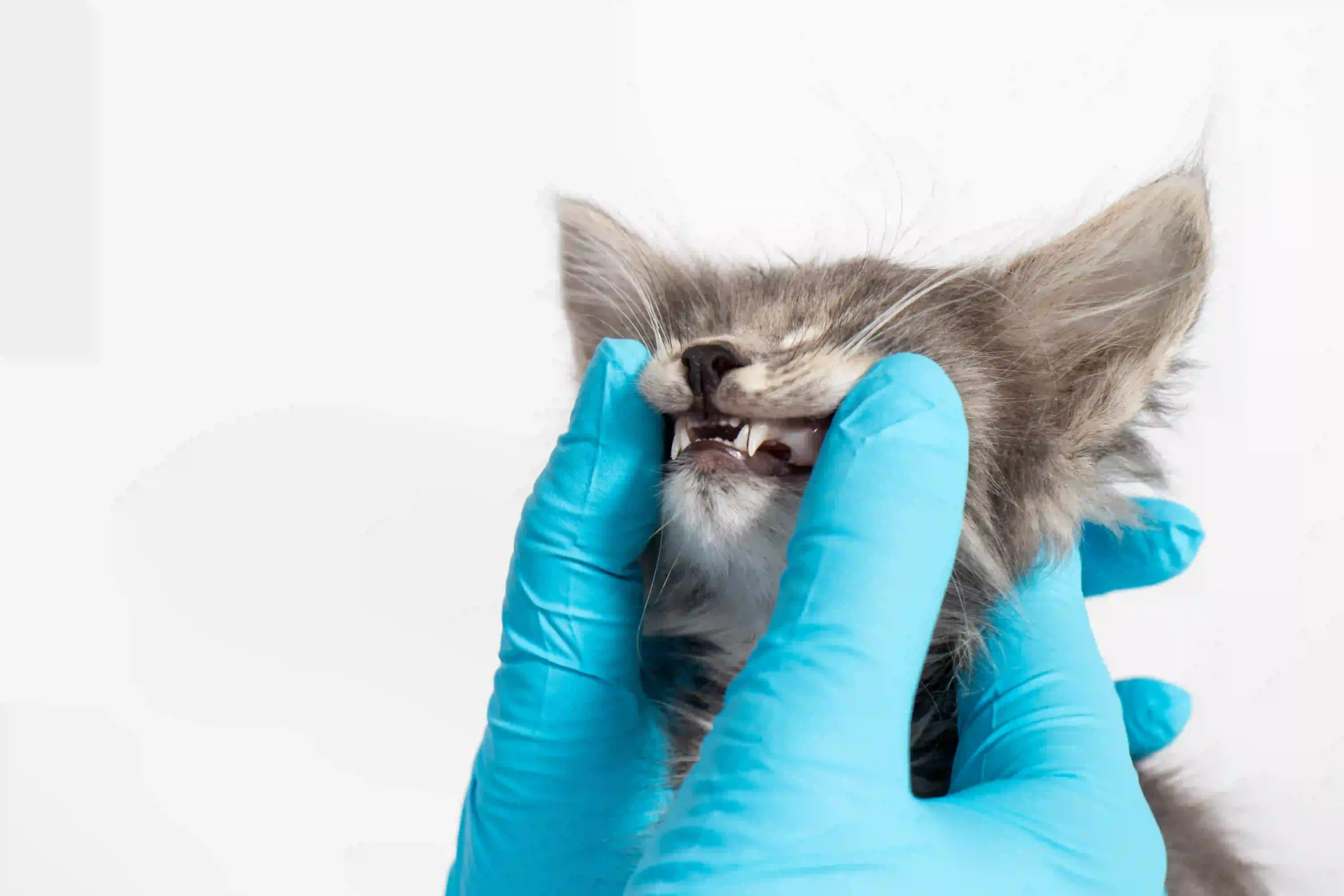
Why Does My Cat Need a Tooth Pulled If They Seem Fine? Cat Tooth Resorption Explained
- By admin
Cats often need a tooth extraction even when they seem healthy because of tooth resorption, a common condition where a cat’s own body breaks down the tooth structure, usually starting below the gumline where it can’t be seen. Cats rarely show pain, so the tooth can look and act “fine” while already damaged. Since a resorbing tooth can’t be repaired, extraction is the standard treatment to remove the pain and stop the problem from spreading.
Table of Contents
- What Is Tooth Resorption in Cats?
- Why Doesn’t My Cat Show Any Signs of Pain?
- How Do Vets Diagnose Tooth Resorption?
- Why Can’t the Tooth Just Be Filled?
- What Is Recovery Like After a Cat’s Tooth Is Extracted?
- Frequently Asked Questions
What Is Tooth Resorption in Cats?
Tooth resorption is a condition where a cat’s body slowly dissolves the structure of its own tooth, usually starting beneath the gumline. It is one of the most common dental problems seen in adult cats.
It differs from a human cavity in one key way: a cavity is caused by bacteria and sugar decaying the tooth from the outside in. Tooth resorption is the cat’s own cells breaking the tooth down from within. The exact cause is still not fully understood by veterinary researchers.
Why Doesn't My Cat Show Any Signs of Pain?
Cats are known for masking pain, an instinct carried over from the wild, where showing weakness could make them a target. This is why a cat with a resorbing tooth can continue eating, playing, and behaving normally, even as the tooth becomes painful.
Subtle signs to watch for include :
- Dropping food while chewing
- Chewing only on one side of the mouth
- Reduced interest in dry food or treats
- Grooming less frequently
- Pawing at the mouth or shaking the head
- A brief jaw “chatter” when the affected tooth is touched
Most owners don’t notice these signs until a veterinarian identifies the problem during an exam.
How Do Vets Diagnose Tooth Resorption?
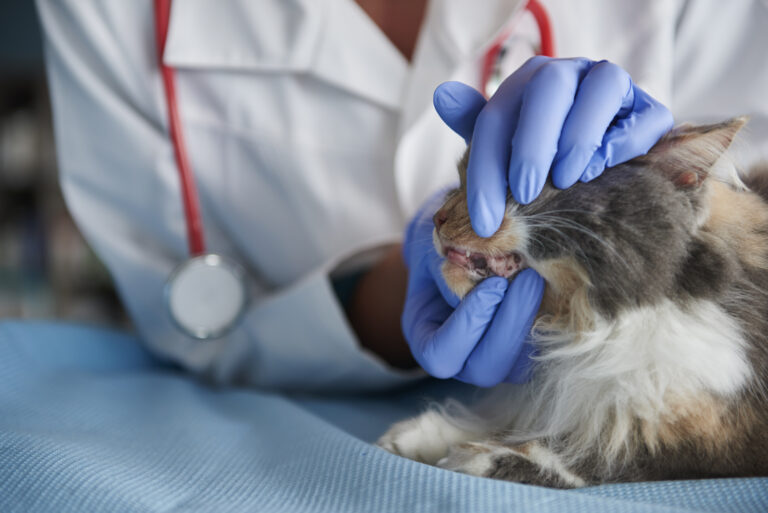
Because tooth resorption often starts below the gumline, it’s usually invisible during a routine visual exam. Dental X-rays are the primary tool vets use to detect it, allowing them to see damage happening beneath the surface that can’t be spotted by eye.
A full dental exam under anesthesia typically includes a tooth-by-tooth probe check plus X-rays of each tooth root.
Why Can't the Tooth Just Be Filled?
Unlike a human cavity, a resorbing tooth cannot be restored with a filling. The tooth structure is actively breaking down and unstable, so extraction is the only reliable way to remove the pain and stop the process from progressing further.
Removing the tooth isn’t a loss of function – it’s the removal of a source of pain the cat likely couldn’t communicate.
What Is Recovery Like After a Cat's Tooth Is Extracted?
Most cats recover quickly from a dental extraction:
- Grogginess from anesthesia typically lasts the rest of the day.
- Soft food is recommended for a few days while the site heals.
- Most cats return to normal eating and behavior within 24–48 hours.
- A follow-up exam confirms healing is on track.
Many owners notice improved energy and appetite once a painful tooth is removed, even if they hadn’t suspected a problem beforehand.
Conclusion
A cat that seems perfectly fine can still be dealing with real dental pain. Tooth resorption is common, easy to miss, and rarely comes with obvious warning signs, which is exactly why it tends to surprise pet owners when a vet recommends an extraction. The good news is that once the tooth is removed, most cats recover quickly and often seem more comfortable and active than before.
Regular dental exams and X-rays remain the best way to catch this condition early, before it has a chance to cause lasting discomfort
Frequently Asked Questions
Is tooth resorption painful even if my cat isn't showing signs?
Yes. Cats rarely vocalize or visibly react to dental pain. Normal behavior does not rule out a painful tooth.
Can tooth resorption be prevented?
There is no proven way to fully prevent it, since the underlying cause isn’t well understood. Regular dental exams with X-rays are the best way to catch it early.
Does every resorbed tooth need to be extracted?
In most cases, yes. Because the tooth structure cannot be repaired, extraction is typically the only way to resolve the pain and stop progression.
How is tooth resorption different from periodontal disease?
Periodontal disease is caused by plaque and bacteria buildup along the gumline. Tooth resorption is the tooth’s own structure breaking down internally. A cat can have both conditions at once.
At what age do cats typically develop tooth resorption?
It’s most commonly diagnosed in adult and senior cats, though it can occur at any age, which is why annual dental exams are recommended throughout a cat’s life.
Can multiple teeth be affected at the same time?
Yes. It’s common for more than one tooth to show signs of resorption, which is why vets examine and X-ray the whole mouth rather than just the tooth that seems affected
Will my cat need anesthesia just for a dental X-ray?
Yes. Cats won’t stay still for dental X-rays while awake, so anesthesia is needed to get clear images and to keep the exam safe and stress-free for your cat.
Is tooth resorption more common in certain breeds?
It can affect any cat, but some studies suggest purebred cats may be slightly more prone to it. Age and individual factors tend to matter more than breed.
What happens if a resorbed tooth is left untreated?
The tooth will continue to break down and the pain will likely get worse over time. Left untreated, it can also make eating increasingly uncomfortable for your cat.