
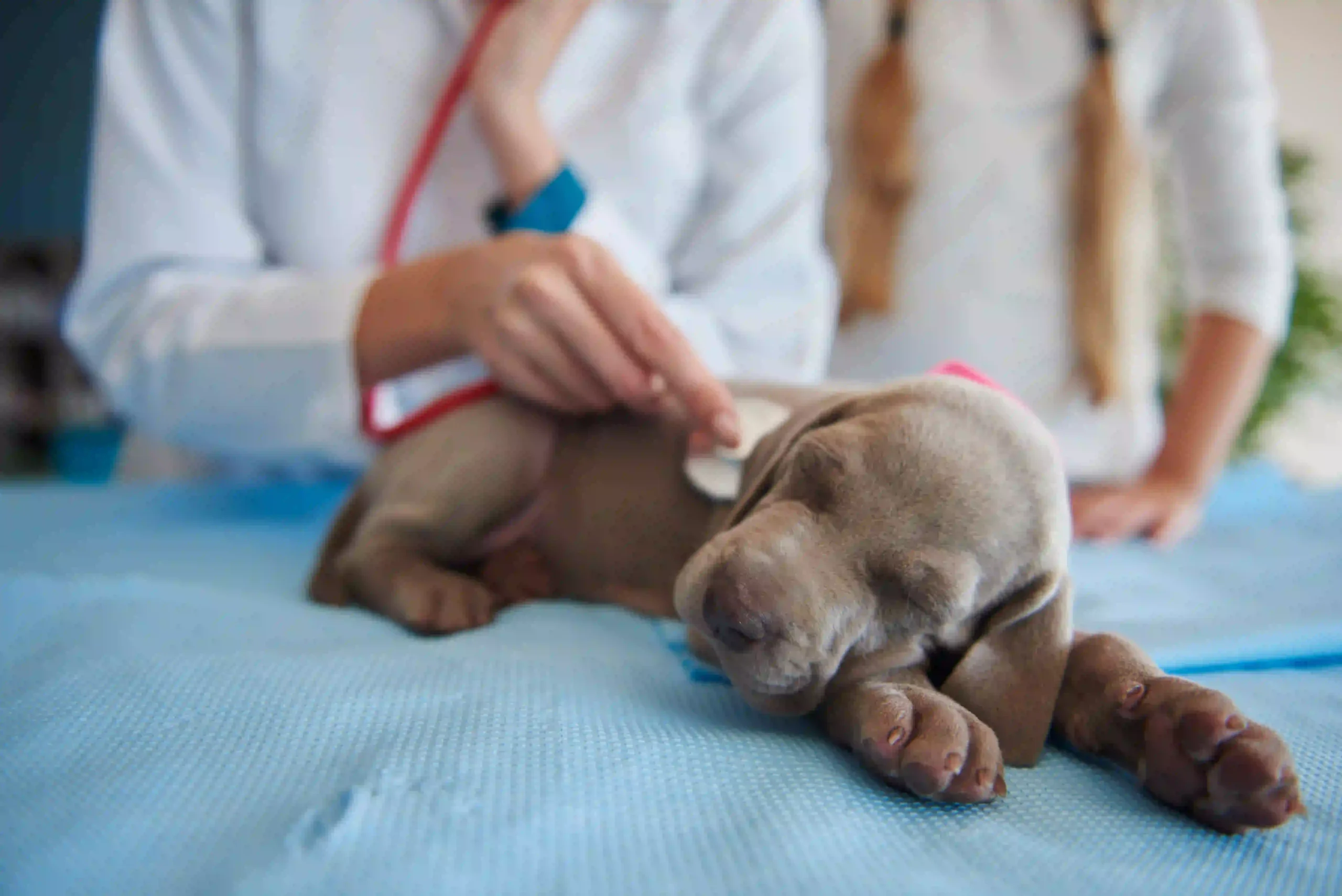
Spay vs. Neuter in Dogs: What’s the Difference? | Surrey & Langley Vet Guide
- By admin
Spaying takes out a female dog’s ovaries and uterus, which ends heat cycles and pregnancy for good. Neutering removes a male dog’s testicles, which stops reproduction and dials down testosterone-driven behavior. Both happen under general anesthesia, and both are permanent once it’s done, it’s done.
Table of Contents
- What Spay and Neuter Actually Mean
- Which One Applies to Your Dog
- Spay vs. Neuter: Side-by-Side Comparison
- How Each Procedure Is Performed
- Where the Surgery Takes Place
- When to Get It Done
- Where to Get Your Dog Spayed or Neutered Near You
- Frequently Asked Questions
What Spay and Neuter Actually Mean
Spay is for females it removes the ovaries, usually the uterus too. Neuter is for males, and it removes the testicles. That’s the split.
“Spay” is shorthand for spaying: taking out a female dog’s reproductive organs, both ovaries and normally the uterus, though some vets use a technique that leaves the uterus in place. No ovaries means no more heat cycles, no pregnancy risk, and none of the hormone-driven behavior tied to them.
“Neuter,” technically, means castration pulling the testicles from a male dog. People throw the word around for either sex sometimes, which is honestly where most of the mix-up comes from. But in a clinical setting, it only ever means males.
Which One Applies to Your Dog
This one isn’t up for debate. Male dogs get neutered. Female dogs get spayed. Anatomy decides, not preference.
Your vet isn’t going to ask which procedure you’d like there’s only one option once you know the dog’s sex. The actual decision left in your hands is when, and honestly, whether you want to go through with it at all.
Spay vs. Neuter: Side-by-Side Comparison
| Spay (female) | Neuter (male) | |
|---|---|---|
| What’s removed | Ovaries, usually uterus | Testicles |
| Type of surgery | Abdominal | Scrotal, less invasive |
| Typical recovery | 10–14 days | 7–10 days |
| Prevents | Pregnancy, heat cycles, pyometra |
Reproduction, testicular cancer |
| Same-day discharge | Usually | Usually |
| Anesthesia | General | General |
How Each Procedure Is Performed
Neutering is the quicker one a small cut near the scrotum, testicles out, stitched closed, often with sutures that dissolve on their own so there’s nothing to remove later. Most dogs are up and walking (a little wobbly) within the same day.
Spaying is a bigger deal, since it’s abdominal surgery. The vet opens the abdomen, finds and removes the ovaries and usually the uterus, then closes everything back up in layers – muscle first, then the tissue underneath, then skin. More time on the table, more healing afterward. That’s the whole reason spay recovery generally drags on longer than neuter recovery does.
Where the Surgery Takes Place
Both procedures happen at a vet clinic or animal hospital, under general anesthesia, and most dogs are home again by evening.
An overnight stay isn’t the norm for healthy dogs going through either surgery – you drop off in the morning, and by late afternoon you’re picking up a groggy, slightly confused dog who’s otherwise perfectly fine. Some clinics run high volume spay/neuter programs out of dedicated surgical suites separate from regular exam rooms, but functionally, nothing changes for your dog either way.
When to Get It Done
Somewhere between 6 and 9 months old works for most dogs. Large and giant breeds are often the exception waiting until 12 to 18 months tends to be better for how their joints develop.
There’s no single age that fits every dog, because size and breed genuinely change the math. Smaller dogs stop growing sooner, so getting it done earlier doesn’t carry much downside. Bigger breeds are still developing well past the six-month mark, and some research links early surgery in these dogs to a higher chance of joint problems later. Ask your vet where your specific dog lands breed and projected size are what they’ll be weighing.
Where to Get Your Dog Spayed or Neutered Near You
Mascot Animal Hospital handles both spay and neuter surgeries, and sees dogs from Langley, Surrey, and Cloverdale.
Picking the right clinic matters almost as much as picking the right age. You want somewhere that does these procedures often, monitors anesthesia properly, and actually walks you through aftercare instead of a rushed “call us if something seems off” on your way out the door. Mascot covers pre-surgical bloodwork, in-house monitoring during the procedure, and a follow-up check afterward for dog owners across Langley, Surrey, and Cloverdale, that’s a full package rather than piecing it together somewhere else.
If you’re in one of those areas and still going back and forth on timing, book a consultation instead of trying to figure it out from a chart online. A vet who’s actually looked at your dog will give you a far better answer than anything general you’ll find on the internet.
Frequently Asked Questions
Is spaying more painful than neutering?
It tends to be, yes spaying goes into the abdomen, so there’s more discomfort afterward and a longer stretch of restricted activity compared to neutering.
Can a male dog be spayed or a female dog be neutered?
No. The terms are tied to anatomy, not interchangeable. Males get neutered, females get spayed there’s no version of it the other way around.
Does spay or neuter surgery require an overnight stay?
Not typically. Most healthy dogs go home the same day either way. An overnight stay only really comes up if there’s a complication or an existing health concern your vet wants to keep an eye on.
Which is cheaper, spaying or neutering?
Neutering, generally. It’s shorter and less involved than spaying, which means less anesthesia and less surgical time and that difference usually shows up in the price.
Do both procedures require general anesthesia?
Yes, no exceptions. Your dog is fully under for both, so there’s zero awareness or pain during the actual surgery.