Wildfire Smoke and Your Pet: A Surrey Vet’s Guide to Keeping Them Safe
- By admin
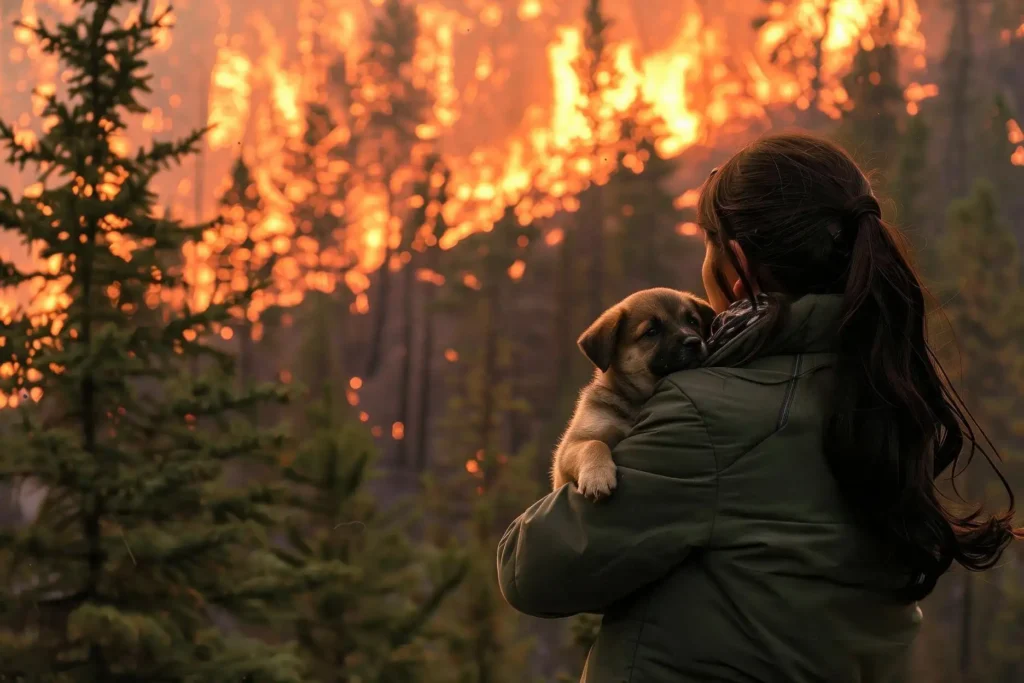
British Columbia’s wildfire season has once again brought smoky skies to the Lower Mainland. While Surrey isn’t near any active fires, smoke drifting in from wildfires in the BC Interior and Fraser Valley has affected air quality across Metro Vancouver, including here at home. If you’ve noticed the haze outside this week, you’re not imagining it, and it’s worth knowing what that means for your dog or cat.
At Mascot Animal Hospital, we’ve had a number of pet parents ask us the same questions over the past few days: Is this actually dangerous for my pet? What symptoms should I watch for? What can I do at home? This guide covers everything you need to know.
Why Wildfire Smoke Affects Pets Too
It’s easy to assume smoke is mainly a human problem, but pets breathe the same air we do,
and in some ways, they’re more vulnerable to its effects.
Dogs, in particular, spend more time close to the ground during walks, where fine particulate matter tends to settle. Their airways are also more sensitive than ours. Cats, while typically more likely to stay indoors, can still be affected by smoke that seeps in through windows, doors, and ventilation systems.
Wildfire smoke contains fine particulate matter (often referred to as PM2.5) that can irritate the eyes, throat, and lungs. Prolonged exposure can lead to inflammation of the respiratory tract, and for pets with pre-existing conditions, it can trigger more serious complications
Which Pets Are Most At Risk
While any pet can be affected by poor air quality, some are more vulnerable than others:
- Short-snouted (brachycephalic) breeds – Pugs, bulldogs, boxers, Persian cats, and other flat-faced breeds already have narrower airways, making it harder for them to compensate when air quality drops.
- Senior pets – Older animals often have reduced lung capacity and are more
susceptible to respiratory irritation.
- Pets with existing heart or lung conditions – Asthma, chronic bronchitis, and heart
disease can all be worsened by smoke exposure.
- Very young pets – Puppies and kittens have developing respiratory systems that can
be more sensitive to airborne irritants.
If your pet falls into any of these categories, it’s worth being extra cautious during periods of
poor air quality.
Signs of Smoke Irritation in Pets
Knowing what to watch for makes it much easier to catch a problem early. Common signs that wildfire smoke may be affecting your pet include:
- Coughing – Especially a new cough, or one that sounds raspy or different from normal
- Heavier or laboured breathing – Noticeable even when your pet is resting
- Red, watery, or squinting eyes – Smoke is a direct irritant to the eyes
- Reduced energy or activity – Reluctance to play, go for walks, or engage as usual
- Loss of appetite – Some pets eat less when they’re feeling unwell from smoke
exposure
- Sneezing or nasal discharge – Particularly in cats
If you notice any of these symptoms and they don’t improve once your pet has spent some time in clean, indoor air, it’s a good idea to have them checked by a veterinarian rather than waiting to see if it resolves on its own.
How to Protect Your Pet During Smoky Conditions
Keep Outdoor Time Short
This is the single most effective thing you can do. Shorten walks, skip strenuous outdoor play like fetch, and time bathroom breaks for when air quality is at its best (often early morning). Avoid off-leash park visits or long hikes until conditions improve.
Keep Windows and Doors Closed
Sealing your home from outside air helps reduce the amount of smoke particulate that gets indoors. If you have central air conditioning, set it to recirculate rather than pulling in outside
air.
Use an Air Purifier if Available
A HEPA air purifier can meaningfully reduce indoor particulate levels, especially in the room where your pet spends the most time. If you don’t have one, even keeping your pet in the most sealed, filtered part of your home helps.
Keep Fresh Water Available at All Times
Staying well hydrated helps keep the respiratory tract moist, which can ease irritation from smoke exposure. Make sure water bowls are topped up and easily accessible.
Check the Air Quality Index Before Heading Out
BC’s Air Quality Health Index is updated regularly and gives a clear sense of when it’s safest to be outside. On days rated high risk, it’s best to minimize outdoor time for both you and your pets.
Never Leave Pets in a Parked Car
This is always true, but it’s worth repeating during wildfire season. Smoke can build up inside a vehicle quickly, even with a window cracked, creating a concentrated and dangerous environment.
What Not to Do
- Don’t ignore symptoms that persist indoors. A cough or laboured breathing that
continues even after your pet has been in clean air for a few hours is a sign to seek
veterinary attention.
- Don’t push through normal exercise routines. This isn’t the week for a long run or an
intense game of fetch, even if your pet seems eager.
- Don’t assume cats are unaffected because they’re indoors. Smoke can still infiltrate
homes, particularly older buildings or homes without central air filtration.
When to Contact Your Veterinarian
If your pet is showing persistent coughing, laboured breathing, unusual lethargy, or a loss of appetite that doesn’t improve within a day of reduced smoke exposure, it’s time to have them examined. Pets with known heart or respiratory conditions should be monitored especially closely and seen sooner if symptoms appear.
At Mascot Animal Hospital, we’re open daily from 8am to 11pm, which means you’re never
far from care if something feels off with your pet, whether it’s during regular hours or later in
the evening.
Emergency Resources
If you come across an animal in distress, or need guidance outside of our clinic hours, the following resource can help:
BC SPCA Animal Helpline: 1-855-622-7722 (8am–6pm daily)
For urgent or after-hours concerns, your nearest emergency veterinary clinic is always the fastest option.
The Bottom Line
Most pets will be just fine as smoke levels ease over the coming days, and for the majority of healthy adult pets, a few days of reduced outdoor activity and cleaner indoor air is enough to prevent any lasting effects. This guide isn’t meant to cause alarm, it’s meant to help you recognize the difference between a normal quiet day indoors and a sign that your pet needs a little extra care.
If you’re ever unsure whether what you’re seeing is normal or worth a visit, that’s exactly what we’re here for.
Mascot Animal Hospital, Locally owned veterinary clinic in Cloverdale, Surrey BC 17767 64 Ave #109, Surrey BC V3S 1Z2
Phone: (604) 325-2200
Open daily 8AM to 11PM
Frequently Asked Questions
Can wildfire smoke affect dogs and cats?
Yes. Pets breathe the same smoky air as people, and wildfire smoke can irritate their eyes, throat, and lungs.
What are the signs of smoke exposure in pets?
Common signs include coughing, heavy or laboured breathing, red or watery eyes, reduced energy, loss of appetite, sneezing, and nasal discharge.
How can I protect my pet from wildfire smoke?
Keep outdoor activities short, keep windows and doors closed, use a HEPA air purifier if available, and keep fresh water available.
Should I take my dog for a walk when air quality is poor?
It’s best to limit outdoor time and avoid strenuous activities such as long walks, hikes, and intense games of fetch until air quality improves.
Which pets are more vulnerable to wildfire smoke?
Senior pets, very young pets, short-snouted breeds, and pets with existing heart or lung conditions may be more sensitive to smoke exposure.